How to Pick the Ideal E-Waste Recycling Service for Your Organization
Identifying the best e-waste disposal solution is vital for businesses looking to manage their electronic waste responsibly. Various considerations must be evaluated, including regulatory certifications and information security standards. The choice can significantly affect both regulatory adherence and environmental responsibility. As businesses consider their alternatives, they must also factor in the cost-related consequences. Understanding these elements can direct organizations toward making informed choices. What specific criteria should be prioritized to guarantee the best outcomes?
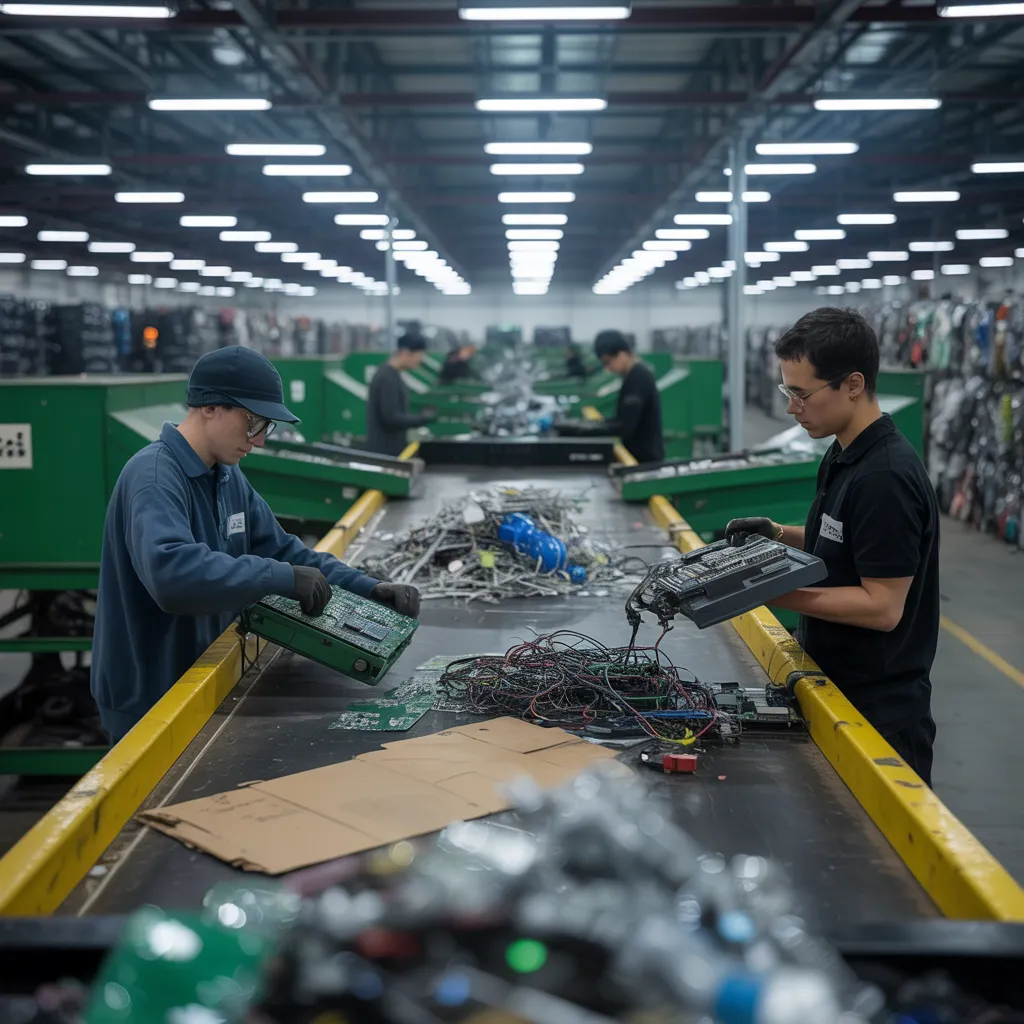
The Dangers of Overlooking E-Waste Recycling for Your Business
Overlooking e-waste recycling can substantially threaten a business's reputation and operational efficiency. Firms that overlook their electronic waste may encounter serious backlash from sustainability-minded consumers and stakeholders. This neglect not only diminishes their brand identity but can also cause legal consequences if regulations regarding electronic waste management are breached.
Additionally, the mismanagement of e-waste disposal can cause notable financial repercussions. Valuable materials within electronic devices may be wasted, impacting potential revenue streams. Additionally, enterprises might be subject to costs linked to environmental sanctions and remediation activities.
Overall operational efficiency may decline as outdated and malfunctioning equipment clutters workspaces, reducing productivity. In today's landscape where sustainability is critical, a business's neglect of e-waste recycling can alienate customers and erode its competitive edge. Consequently, adopting a proactive approach to e-waste management is essential for maintaining a positive reputation and ensuring smooth operations.
Which Certifications Should You Expect from Your E-Waste Recycler?
When evaluating an e-waste recycling service, which certifications should be considered to ensure reliable and compliant practices? It is essential to look for certifications that indicate alignment with industry standards and best practices. Among the most well-known is the Certified e-Stewards Recycler, which confirms compliance with environmental and social guidelines. The R2 (Responsible Recycling) certification is another important credential, emphasizing the responsible handling of electronic waste.
Moreover, the ISO 14001 certification demonstrates a adherence to systems of environmental management, while ISO 9001 indicates standards of quality management. Such certifications offer assurance that the recycling facility complies with strict guidelines for handling e-waste, lessening environmental effects and promoting sustainability.
Data Security in E-Waste Disposal: Protecting Your Information
Information security is a fundamental concern in electronic waste disposal, as private information may be exposed in the course of the recycling operation. Employing verified data destruction techniques ensures that private and business data is permanently eliminated, decreasing the chances of personal data theft or information breaches. Moreover, adherence to applicable guidelines is necessary for safeguarding data and preserving confidence among customers and partners.
Certified Methods of Data Destruction
In today's digital landscape, the critical nature View here of certified data destruction methods is paramount. Businesses must guarantee that sensitive information is irretrievably destroyed during e-waste disposal to avoid data security incidents. Approved methods encompass physical destruction, such as shredding hard drives, and logical destruction, which involves wiping data using dedicated applications that adheres to established benchmarks.
Accreditation from established organizations, such as NAID (National Association for Information Destruction), confirms that a company follows rigorous protocols for the secure destruction of data. Businesses should ensure that their preferred recycling provider employs these certified methods to safeguard sensitive and proprietary data. Prioritizing verified data disposal not only guards against possible data violations but also enhances a business's standing in responsible data management.
Conformity With Regulations
Compliance with regulations plays a pivotal role in electronic waste disposal, particularly when it comes to data security. Organizations must verify that their selected recycling provider adheres to local, federal, and international guidelines governing data protection. Laws including the General Data Protection Regulation (GDPR) and the Health Insurance Portability and Accountability Act (HIPAA) require strict protocols for securing sensitive data during the disposal process. Companies should verify that the recycling partner implements validated data destruction procedures, confirming that all data is completely and irreversibly destroyed. Additionally, a reliable recycling partner should provide documentation of compliance and destruction processes, offering transparency and peace of mind. By placing regulatory compliance at the forefront, businesses can mitigate risks associated with data breaches and copyright their dedication to protecting sensitive information.
Local vs. National E-Waste Providers: Which Has Better Environmental Practices?
When it comes to environmental practices, how do local and national e-waste providers measure up? Local providers often emphasize community engagement and may implement tailored solutions that address specific regional needs. Their smaller operational scale can lead to more direct oversight of recycling processes, potentially resulting in higher accountability and environmental integrity.
By comparison, large-scale providers are often able to leverage economies of scale, enabling cutting-edge technologies and more extensive resource networks. Nevertheless, their larger scope may contribute to reduced personalized attention and an estrangement from regional environmental issues. Companies should investigate each provider's certifications and practices, no matter their size. At the end of the day, the effectiveness of environmental practices depends on the provider's adherence to sustainable approaches rather than simply their geographic classification. As a result, companies should evaluate both local and national providers to identify which best supports their environmental objectives.
Examining Green Practices in E-Waste Recycling
When examining environmentally responsible practices in electronic waste recycling, several critical considerations become apparent. Compliance with established standards and certifications are key indicators of a provider's dedication to sustainable operations. Furthermore, transparency in the recycling process and sustainable material handling practices play significant roles in determining the overall environmental impact of the recycling service.
Certifications and Compliance Standards
While selecting an e-waste recycling service, recognizing certifications and compliance standards is critical for ensuring environmentally responsible practices. Reputable recycling companies often hold certifications such as R2 (Responsible Recycling) or e-Stewards, which demonstrate commitment to best practices in e-waste management. These certifications ensure that recyclers manage materials responsibly, avoid environmental contamination, and ensure data security. Adherence to local and international regulations further strengthens a company's commitment to sustainable practices. Organizations should also seek information on the recycler's approach to hazardous materials and their methods for tracking and reporting e-waste. By prioritizing certified services, companies can support a circular economy while minimizing their environmental impact and guaranteeing compliance with industry regulations.
Transparency Within the Recycling Process
What measures can be taken to guarantee transparency throughout the e-waste recycling process? Organizations should request thorough documentation detailing the recycling approaches utilized by the service provider. This encompasses precise descriptions of the handling, disassembly, and processing phases. Businesses can additionally inquire about the final destinations of recycled materials, confirming they are not directed to landfills or unlawful facilities. Third-party audits and certifications can further validate a recycling service's commitment to eco-friendly practices. Furthermore, maintaining open channels of communication with the service provider is vital; they should be prepared to disclose their procedures and address any inquiries. At its core, transparency cultivates trust and provides organizations with the assurance that their e-waste is being processed responsibly and with environmental consideration.
Green Material Handling Approaches
Evaluating eco-friendly operational methods in e-waste recycling uncovers the essential foundations of mindful environmental responsibility. Effective e-waste recycling services prioritize reduced ecological disruption through strategies like resource recovery, waste minimization, and responsible disposal techniques. They utilize advanced separation methods that segregate toxic elements from reusable parts, ensuring that toxic substances do not leach into the environment. Utilizing eco-friendly transportation methods further enhances sustainability by lowering greenhouse gas emissions. Additionally, these services often invest in community awareness initiatives, promoting awareness of responsible e-waste disposal. By partnering with a recycling partner that upholds these sustainable practices, businesses advance a closed-loop sustainability framework, ensuring that materials are reused and repurposed rather than ending up in landfills, thus cultivating a more sustainable world.
How to Plan a Budget for E-Waste Recycling Services
When exploring e-waste disposal solutions, planning your budget carefully is essential for ensuring compliant disposal without unforeseen charges. Organizations should commence by examining the volume and type of e-waste generated, as these factors greatly influence pricing. It is beneficial to collect numerous bids from multiple vendors to compare costs and services offered.
Beyond the standard fees, companies should consider potential extra charges such as transportation, collection, and any required documentation for compliance. It is also important to understand the regulatory environment, as failure to comply can result in penalties, adding to overall expenses.
Moreover, organizations may investigate subscription models or bulk pricing options that can decrease costs over time. By establishing a defined financial plan for e-waste recycling, companies can promote eco-friendly practices while reducing unforeseen expenses, ultimately supporting both ecological responsibility and financial stability.
Commonly Asked Questions
How Regularly Should We Be Recycling Our E-Waste?
Electronic waste should undergo recycling on a regular basis, optimally within a six-month to one-year interval, according to the quantity of e-waste accumulated. This schedule ensures adherence to regulatory requirements and limits potential harm to the environment as it encourages responsible waste disposal habits across the organization.
What Takes Place with E-Waste After It Is Collected?
Once collected, e-waste is subjected to sorting, dismantling, and processing. Recoverable materials are separated for reuse, while harmful elements are carefully handled and eliminated. This method limits ecological damage and supports material recovery, supporting sustainable practices in technology management.
Is There a Fee for E-Waste Recycling Services?
Indeed, e-waste recycling frequently includes fees, which can vary based on considerations like the kind and quantity of materials. Companies should ask about these costs upfront to understand possible expenses before choosing a provider.
Is It Possible to Recycle Non-Electronic Items Along With E-Waste?
Non-electronic items typically cannot go through electronic waste services. Most recycling centers focus specifically on electronic equipment. Businesses should seek specialized disposal options for materials that are not electronic to secure proper disposal and compliance with environmental standards.
How Is E-Waste Prepared for Recycling?
When preparing e-waste for recycling, it is important to detach batteries and accessories, carefully delete personal data, and sort items by type. Adequate packaging in durable boxes guarantees safe transport to the recycling facility.